Antigua and Barbuda, a twin-island nation located in the eastern Caribbean Sea, epitomizes a unique blend of rich history, cultural vibrancy, and natural beauty. Comprising two main islands, Antigua and Barbuda, along with several smaller islands, this country offers a compelling narrative that stretches from its indigenous roots to its contemporary status as a sovereign state.
Antigua and Barbuda’s history is deeply rooted in indigenous heritage, but it was the arrival of European colonizers in the 15th and 16th centuries that significantly shaped its trajectory. Christopher Columbus first encountered the islands in 1493, naming them after a Spanish church in Seville. The subsequent centuries saw a complex interplay of European powers, notably the British, who established control and used the islands for sugar production, which profoundly impacted the local economy and society. The legacy of this period is still evident today, with English as the official language and many aspects of British colonial architecture and institutions persisting.
The islands’ cultural landscape is a vibrant tapestry woven from African, European, and indigenous influences. This rich cultural mosaic is celebrated through various festivals and traditions, most notably the annual Antigua Carnival, a lively celebration of music, dance, and vibrant costumes that reflects the resilience and creativity of the Antiguan people. The culinary scene, too, showcases a blend of flavors, with dishes like pepperpot and ducana highlighting the fusion of African and Caribbean influences.
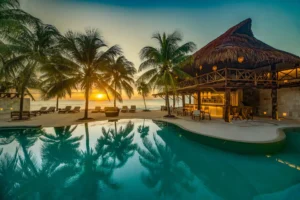
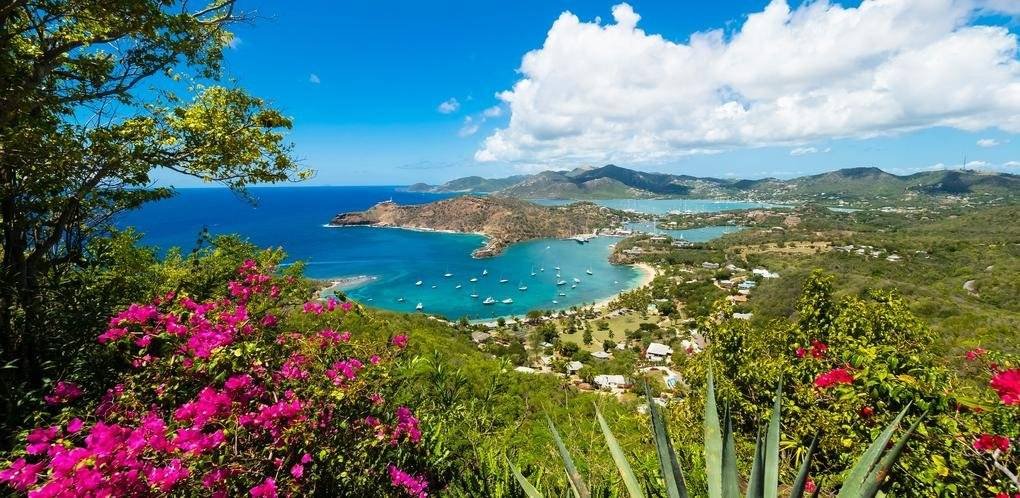
Natural beauty is one of Antigua and Barbuda’s most defining features. The country boasts some of the most stunning beaches in the Caribbean, with Antigua alone claiming 365 pristine beaches—one for each day of the year. The islands’ crystal-clear waters and lush landscapes attract tourists from around the globe, contributing significantly to the nation’s economy. Barbuda, with its more tranquil and less developed environment, offers a haven for nature lovers and a sanctuary for wildlife, including the endangered frigate bird.
Despite its picturesque allure, Antigua and Barbuda faces contemporary challenges. The effects of climate change, particularly rising sea levels and increased hurricane activity, pose significant threats to its fragile ecosystems and economy. The government has been actively engaged in addressing these issues, with initiatives aimed at sustainable development and environmental preservation.
In summary, Antigua and Barbuda is a nation where historical legacies, cultural dynamism, and natural splendor intersect. Its journey from a colonial past to a vibrant present underscores the resilience and adaptability of its people. As it navigates contemporary challenges, the nation’s rich heritage and natural beauty continue to shape its identity, making it a fascinating and significant player in the Caribbean region.